
Contents
Why video presentations are growing in popularity
Different types of video presentations
What is a video presentation maker?
How to make a video presentation using PowerPoint
How to save a PowerPoint presentation as a video
Step-by-step: How to record yourself presenting a PowerPoint
How to create a video presentation from scratch
Tips for an engaging PowerPoint video presentation
Ultimate Video Presentations Guide With Tips & Examples
Presentations have been around for decades. From classrooms to boardrooms, they show up everywhere. As video has become the dominant content format, presentations have evolved alongside it. The result is the video presentation.
This guide covers everything you need to know about video presentations: definition, types, templates, examples, and the best tools to create one.
Here's what we cover:
- What is a video presentation?
- Why video presentations are growing in popularity
- Video presentation stats
- Types of video presentations
- What is a video presentation maker?
- Video presentation templates
- How to make a video presentation with PowerPoint
- How to create a personalised video presentation
- Video presentation ideas
- Video presentation tips
- PowerPoint video presentation tips
- Best video presentation makers
What is a video presentation?
A video presentation is a video that combines slides, narration, audio, animation, and images to share information with an audience in an engaging way.
Why video presentations are growing in popularity
Static presentations are slow and often dull. Around 79% of audiences find typical presentations boring, regardless of how much effort goes into the slides.
Video presentations fix this. They are shorter, easier to consume, and viewers can watch on their own time. No need to gather everyone in a meeting room or on a video call at the same time.
Video presentation stats
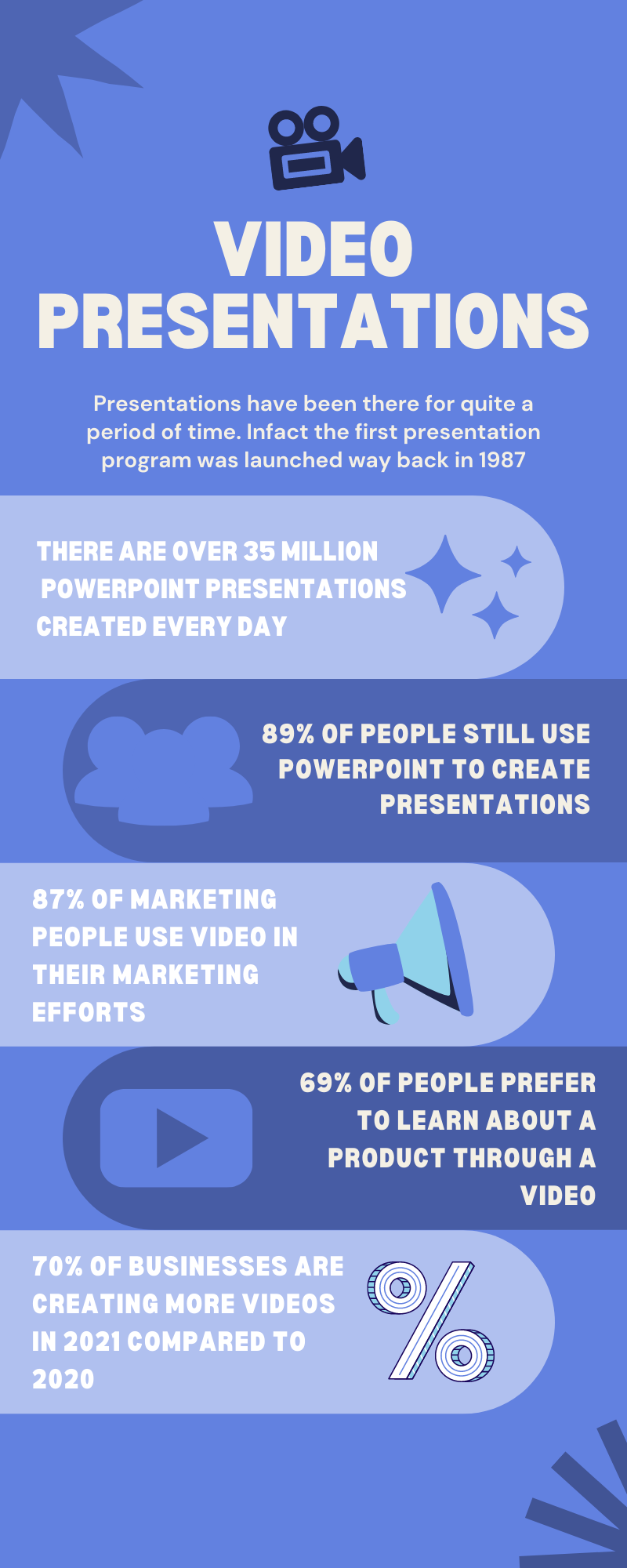
- Around 35 million PowerPoint presentations are created every day, reaching an audience of 500 million people.
- 89% of people still use PowerPoint, with 43% saying they have no alternative.
- 87% of marketers use video in their marketing.
- 78% of people watch videos online weekly. 55% watch every day.
- 69% of people prefer to learn about a product through video.
- Most people lose interest in a PowerPoint presentation after 10 minutes.
Different types of video presentations
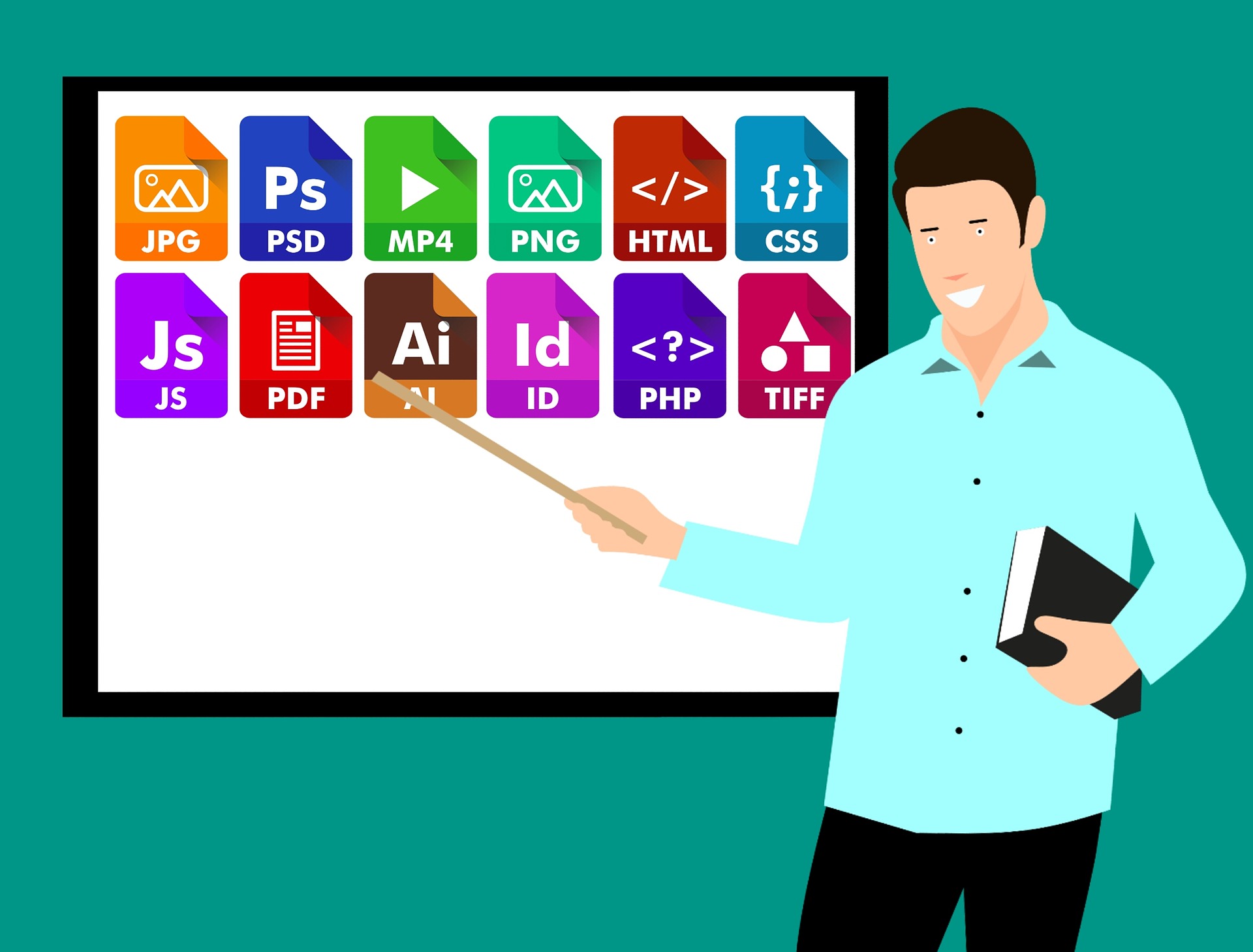
Video presentations are used across industries. Here are the eight main types.
1. Sales presentation videos
Sales reps use these to give a prospect a quick overview of the company and product. Marketing teams also use sales enablement videos to train sales reps.
2. Educational presentation videos
Lectures and lessons recorded as videos. Students can access them anytime, anywhere.
3. Employee training and development videos
Training material for new and existing employees. Available on-demand, so anyone can learn at their own pace. See more on how teams use video in learning and development.
4. Business planning and review videos
Planning, review, and performance analysis sessions, packaged as video, so all stakeholders see the same information without sitting through another long meeting.
5. Fundraising and company pitch videos
Founders use these to raise capital. A clear pitch video that lays out the company's value proposition and projected growth helps catch investor attention before any first meeting.
6. Product walkthroughs and how-to videos
New customers need a guided start. Walkthrough and how-to videos let them learn the product at their own pace.
7. Employee onboarding videos
With more onboarding happening remotely, onboarding videos walk new hires through company culture, policies, roles, and responsibilities.
8. Promotional and marketing videos
Marketing teams use video presentations, especially animated ones, to promote products and build brand awareness across social platforms and virtual events.
One thing all eight have in common: each video is recorded once and reused many times. That is what makes the format so cost-effective.
What is a video presentation maker?
A video presentation maker is a tool that converts presentation slides into videos, either by recording an existing slide deck or by helping you build one from scratch.
There are two main types. The first records an existing presentation as a video. The second lets you build a video presentation from templates, with voice-over, video, images, characters, and animation added on top.
How to make a video presentation using PowerPoint

PowerPoint is the default tool for most presentations. Here is how to turn a PowerPoint deck into a video.
Three ways to save a PowerPoint presentation as a video
- Save the PowerPoint file directly as a video
- Use a screen recorder to record the presentation in slideshow mode
- Use a screen recorder to capture the slideshow with a webcam overlay
How to save a PowerPoint presentation as a video
Method one
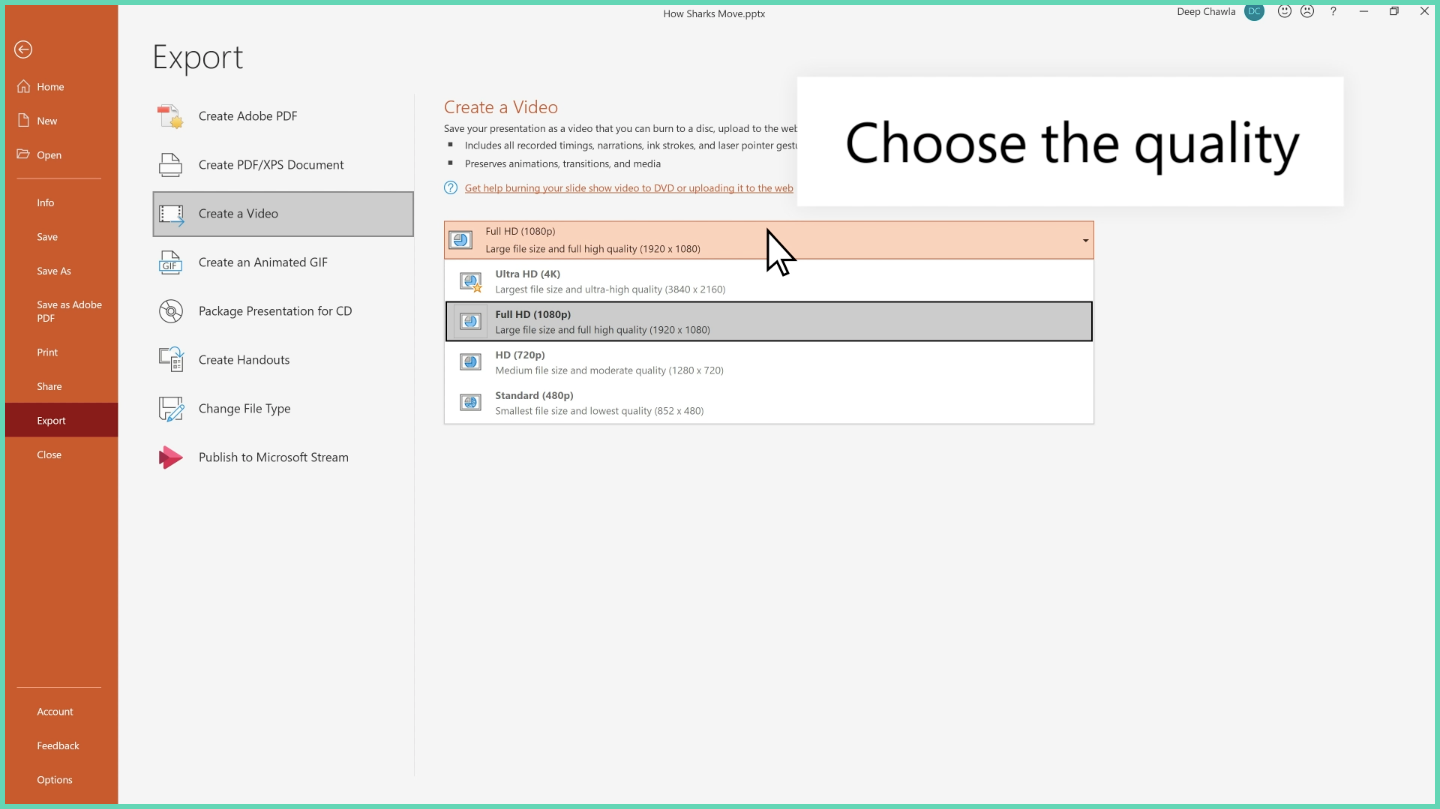
PowerPoint can export your slides as a video. Once your deck is ready, go to File > Export > Video. Pick the resolution you want, from 4K HD down to 480p. The higher the resolution, the larger the file. Default formats are MP4 and WMV.
A few things to know about this method:
- You can set how long each slide is on screen. Default is five seconds. A 20-slide deck at five seconds per slide gives a 100-second video.
- You can switch to manual slide timing if you need to spend longer on certain slides.
- You can add narration, audio, on-screen annotation, and webcam recording. Webcam recording is only in Office 365.
- You can upload the result to Microsoft Stream for quick internal access.
Method two
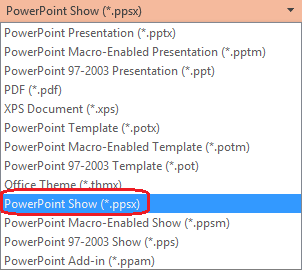
You can also save the deck in PowerPoint Show format (.ppsx). This opens directly in slideshow mode for the viewer.
Method three: Use a screen recorder
PowerPoint's built-in recording works, but it is fiddly and slow. A dedicated screen recorder is faster, easier, and more flexible.
Here is a list of the best PowerPoint screen recorders.
One of the strongest is Vmaker. Free, unlimited recordings, no watermark. Here is how to record PowerPoint presentations with Vmaker.

Step-by-step: How to screen record a PowerPoint with audio
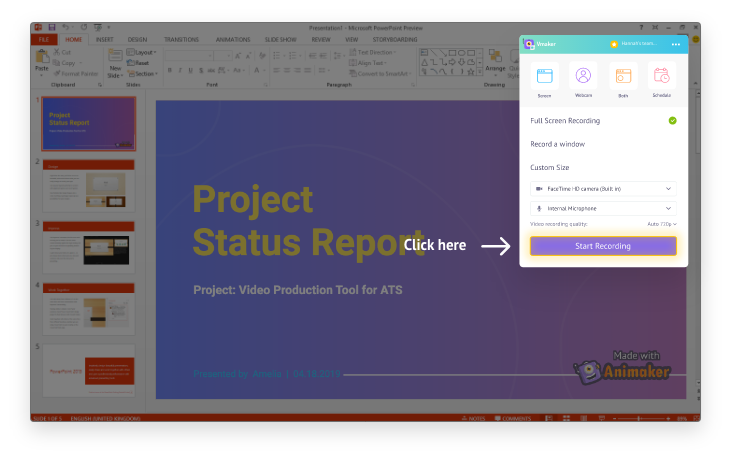
- Step 1: Sign up for Vmaker and install the Chrome extension. Mac and Windows users can download for Mac or download for Windows.
- Step 2: Open your PowerPoint deck.
- Step 3: Launch the Vmaker app or Chrome extension.
- Step 4: Pick screen recording mode with audio enabled. Click Start.
- Step 5: Narrate over the slides. You can annotate, mute or unmute, pause or resume any time.
- Step 6: Click Finish to end the recording.
- Step 7: The video uploads to the cloud in seconds. From there you can edit, fine-tune, and share.
Adding a webcam overlay during a PowerPoint recording is just as easy in Vmaker.
Step-by-step: How to record yourself presenting a PowerPoint
Same flow as above, with one change.
- Step 1: Sign up for Vmaker and install the desktop app.
- Step 2: Open your PowerPoint deck.
- Step 3: Launch the Vmaker app or Chrome extension.
- Step 4: Pick screen + webcam recording with audio enabled. Click Start.
- Step 5: Narrate, annotate, and use mute/pause as needed.
- Step 6: Click Finish to end the recording.
- Step 7: The video uploads to the cloud and is ready to edit and share.
Video guide: How to record a PowerPoint with audio and video

How to create a video presentation from scratch
You can also build a video presentation from scratch with an online presentation maker. These tools let you add text, audio, video, backgrounds, avatars, screen recording, animations, and effects.
Start with a blank canvas, or open a template and customise it.
Video presentation templates
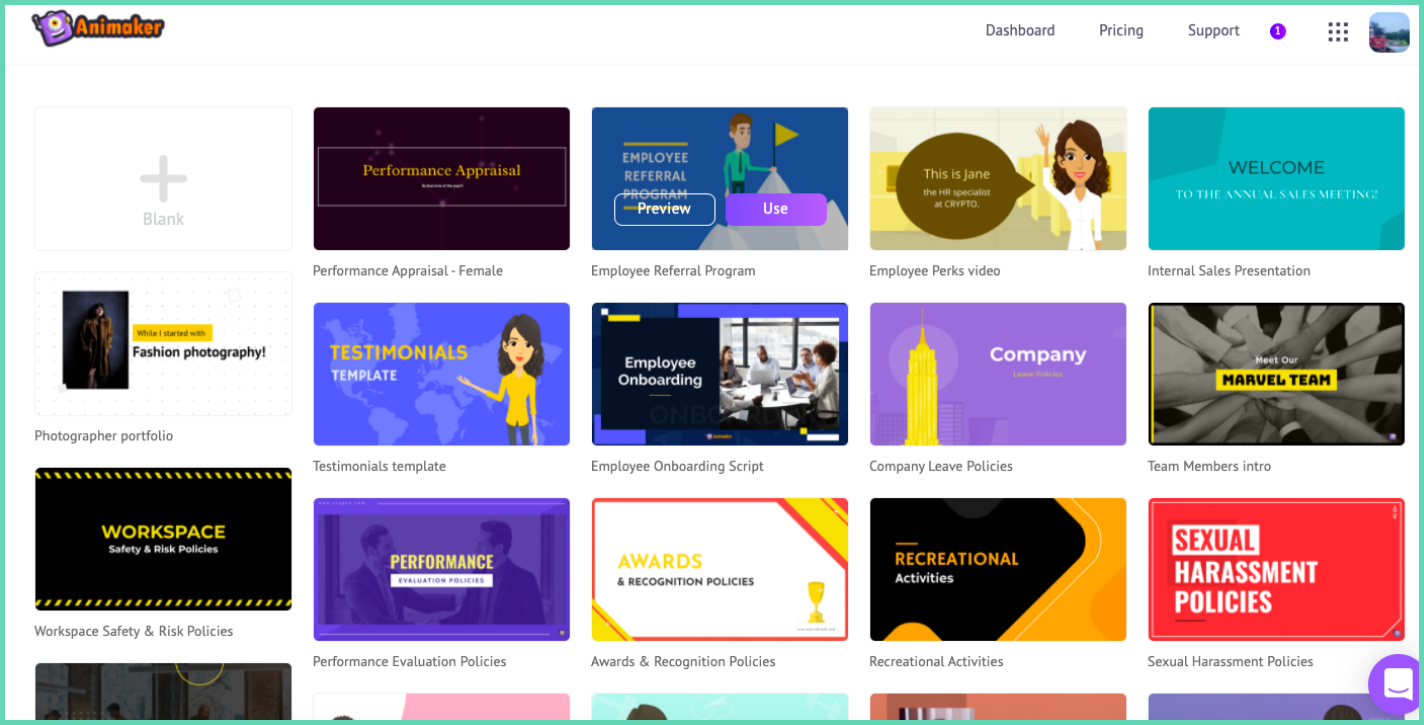
Templates speed up the work. Pick one that fits the use case, edit the key details, and you have a polished video presentation in minutes.
Bonus: Screen Recording 101: Ultimate Resource Guide
Video presentation ideas
Some ideas to make your video presentations more engaging.
- Open with a strong statement that captures the message of the whole video
- Use characters, images, and illustrations throughout
- Make sure every slide ties back to the opening statement
- Use consistent fonts and font sizes throughout
- Add transitions and motion graphics for visual interest
- Drop in questions, polls, or quotes to keep the audience engaged
- Close strong, supporting the opening statement
Open with a strong statement

Keep the first slide short and to the point. It should capture the topic of the entire video. The example above is about avoiding single-use plastics, and that goal is clear from frame one.
Use characters, images, and illustrations

Animations, videos, and illustrations add depth to a presentation and make the message easier to absorb. The example above pairs a flying plastic bag with the slide's text.
Connect every slide to the opening statement

Every slide should support the message of the first slide. Here, the slide explaining how long plastic takes to break down ties straight back to the "avoid single-use plastics" message of the opening.
Keep fonts and sizes consistent
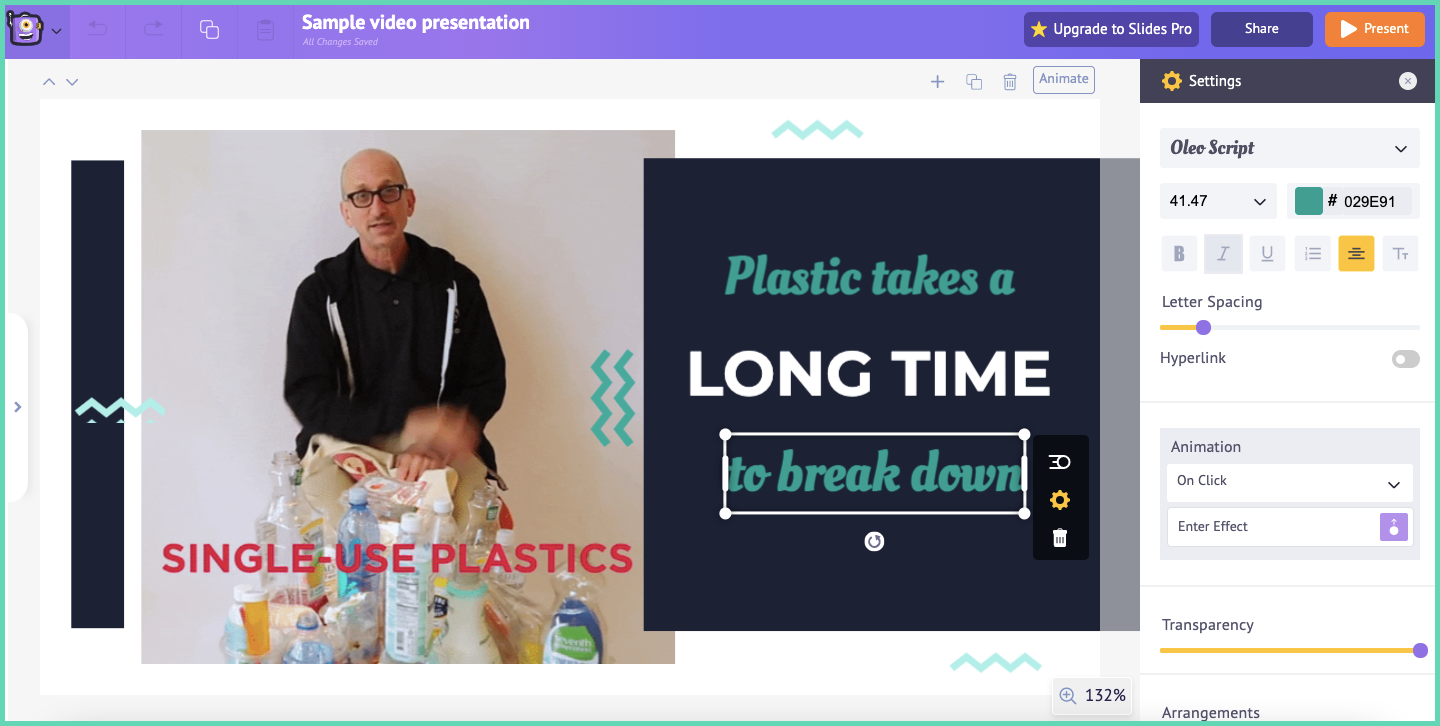
Fonts, colours, and spacing should match across every slide. The example above keeps font, text, spacing, and colour uniform throughout, which makes the whole video feel coherent.
Use transitions and motion graphics
Transitions give the presenter time to breathe and add a beat of curiosity for the viewer. Most modern presentation tools include a wide range of transitions out of the box.
Drop in questions, polls, and quotes
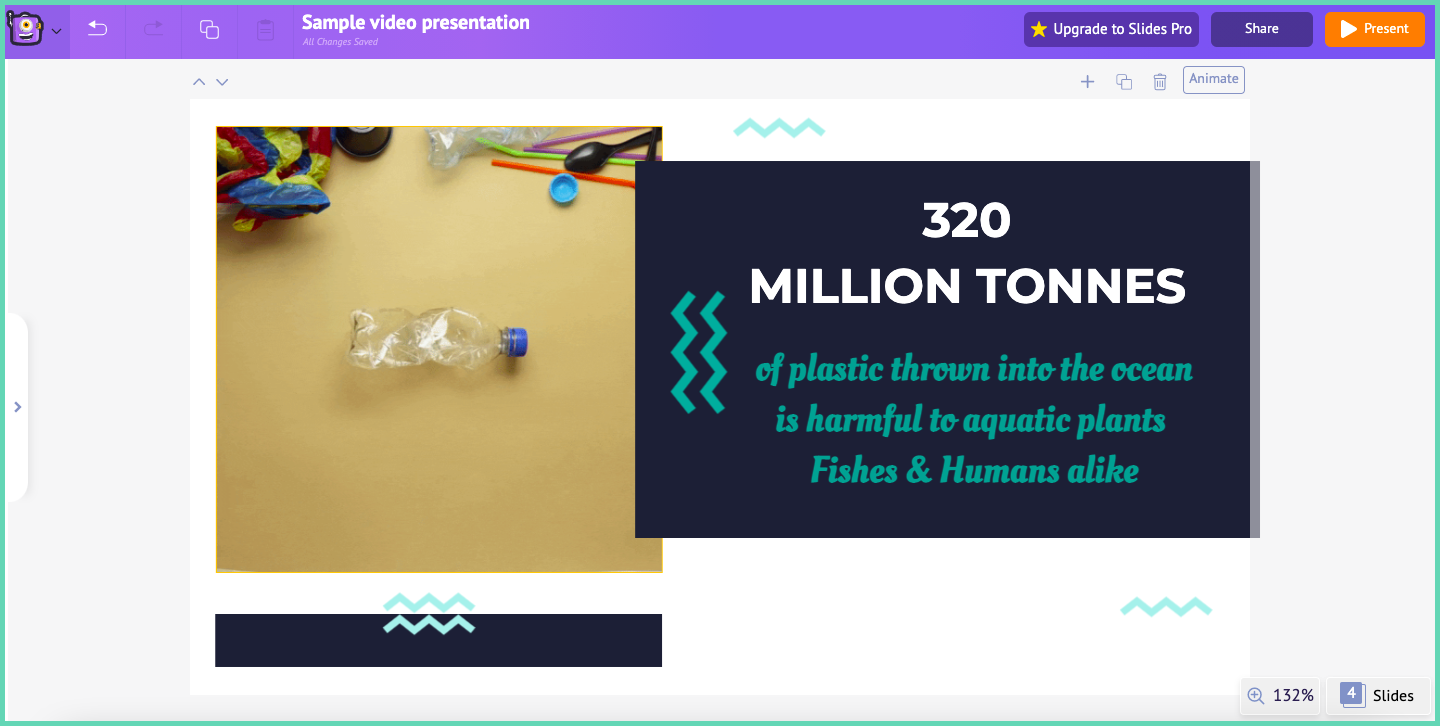
Engagement is what separates a forgettable presentation from a memorable one. Questions, stats, and quotes give the viewer something to react to. The example above pairs a stat with an illustration, which lands harder than either would alone.
Close strong

The closing slide is as important as the opener. Wrap up by reinforcing the message you started with. In this example, the closing slide drives home the case to avoid single-use plastic.
Video presentation tips
A few extra tips to keep in mind when creating video presentations.
- Define the purpose of the video
- Identify your target audience
- Plan the script, images, and illustrations together
- Avoid complex language and jargon
- Pick a video presentation maker that handles everything in one place
- Do not try to cram too much into one slide
- Make the intro and conclusion as strong as possible
Define the purpose of the video
Often skipped, but the most important step. List the goals you want the video to hit, then pick the most important one as the purpose. Once the purpose is clear, every later step gets easier. Target audience, content choices, length, and style all flow from the purpose.
Identify your target audience
Knowing who will watch the video shapes everything. What you say, how you say it, and how long the video should be all depend on the audience.
Plan the script, images, and illustrations together
Write the script with the purpose and audience in mind. Pick the right images, video clips, GIFs, and illustrations to back the script. Doing both at the same time gives you room to tweak each so they support each other.
Avoid complex language and jargon
The point of a presentation is to make information clear. Heavy language and jargon do the opposite. Keep the language simple, break down data into visuals, and keep the tone subtle.
Pick a tool that does everything
Earlier, video presentations needed multiple tools: a slide tool, a video editor, and a hosting platform. All-in-one video presentation makers now handle the whole flow, from creation to sharing. Pick one that matches your workflow.
Do not cram too much into one slide
The advantage of a video presentation is that you have voice-over to explain things. So the on-slide text can stay minimal. Keep each slide focused on one idea.
Make the intro and conclusion strong
The opening and closing slides do the heaviest lifting. Connect them, so the viewer leaves with a clear takeaway.
Tips for an engaging PowerPoint video presentation
Specific tips for PowerPoint video presentations.
- Lock in the font, colour, and content layout for each slide
- Keep the content on each slide as short as possible
- Support each slide with strong illustrations and data
- Use transitions and effects, but do not overdo them
- Use high-quality images
- Visualise charts, graphs, and tables with colour
Lock in font, colour, and content layout
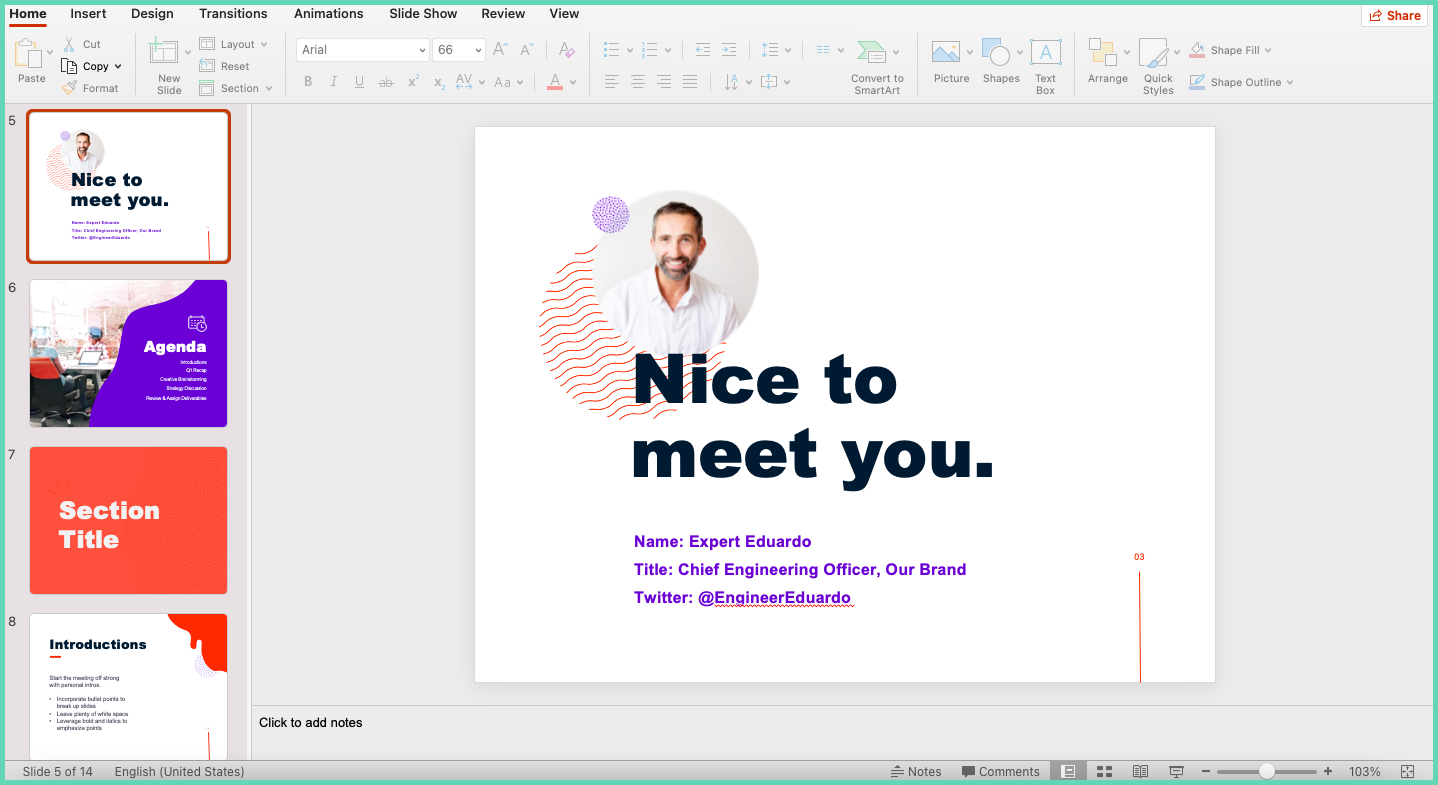
Small details matter. Lock in your fonts, sizes, colours, and the volume of content per slide. Uniformity is what separates polished presentations from rough ones.
Keep slide content short
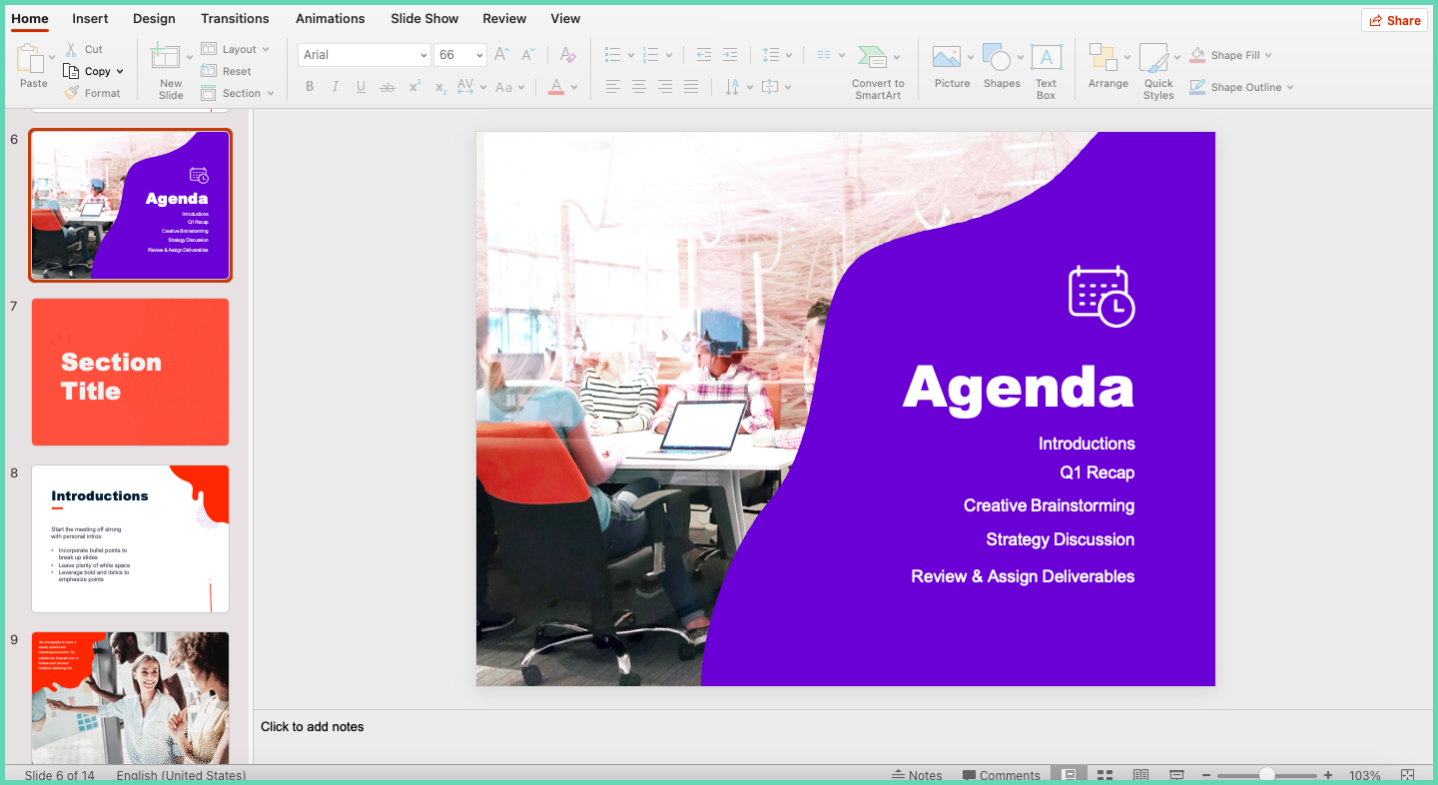
White space is your friend. Since you have voice-over, the slide does not need to carry every detail. Let the narration do the heavy lifting.
Support content with strong illustrations and data
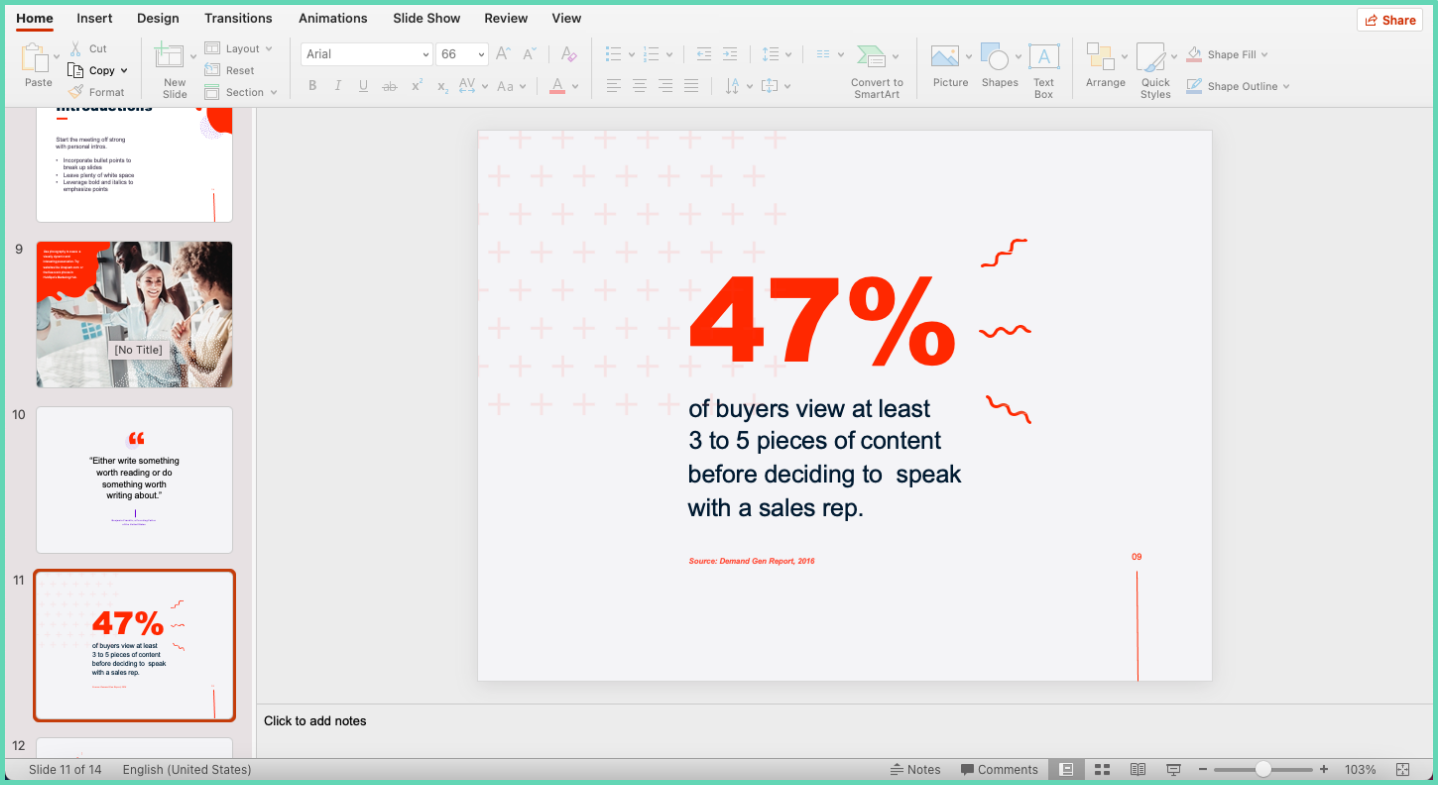
Strong illustrations and clean data hold viewer attention. They also let the narration go deeper without overloading the slide.
Use transitions and effects without overdoing them
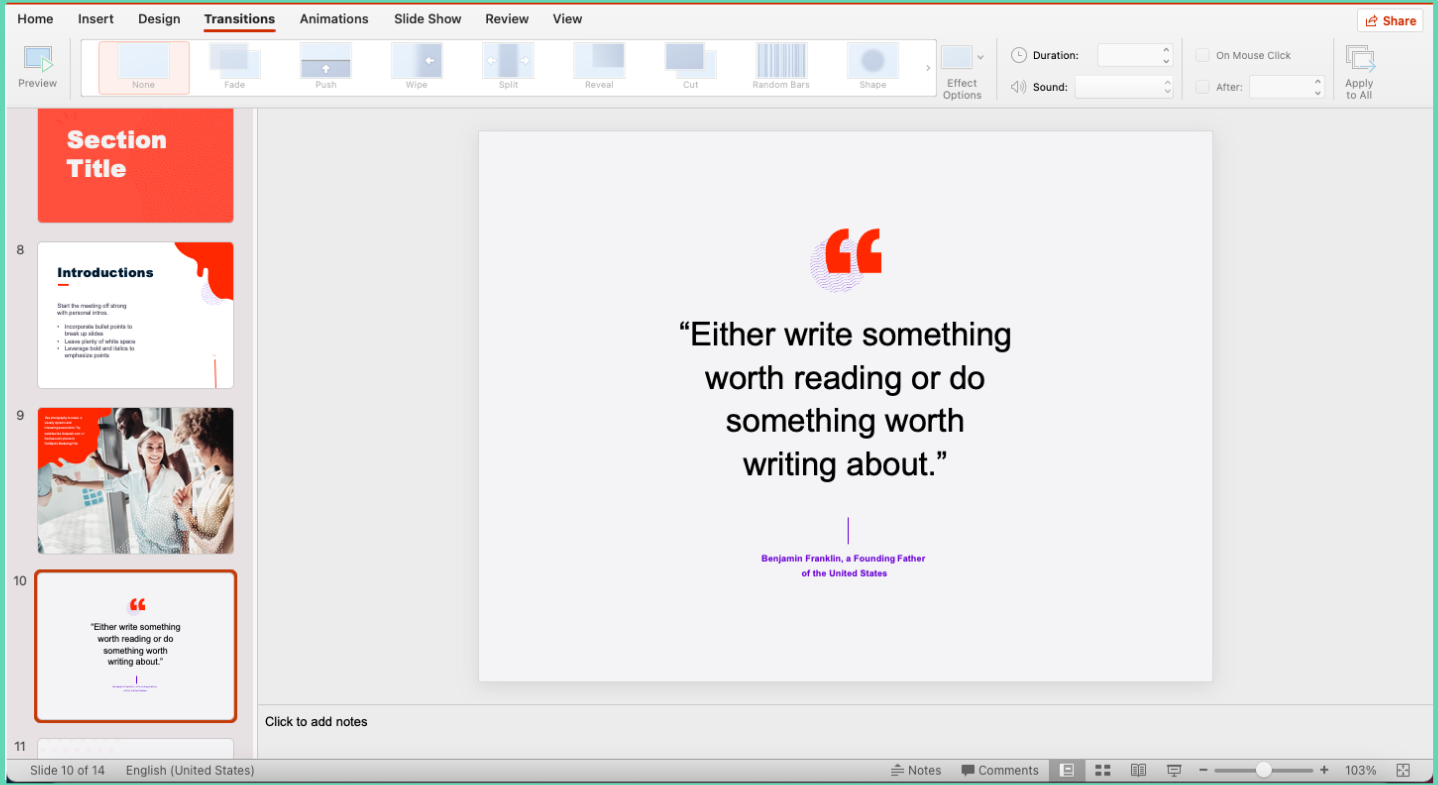
PowerPoint's built-in transitions and animations are the easiest way to add visual interest. Use them well, but not on every single slide. Overusing them looks cluttered.
Use high-quality images
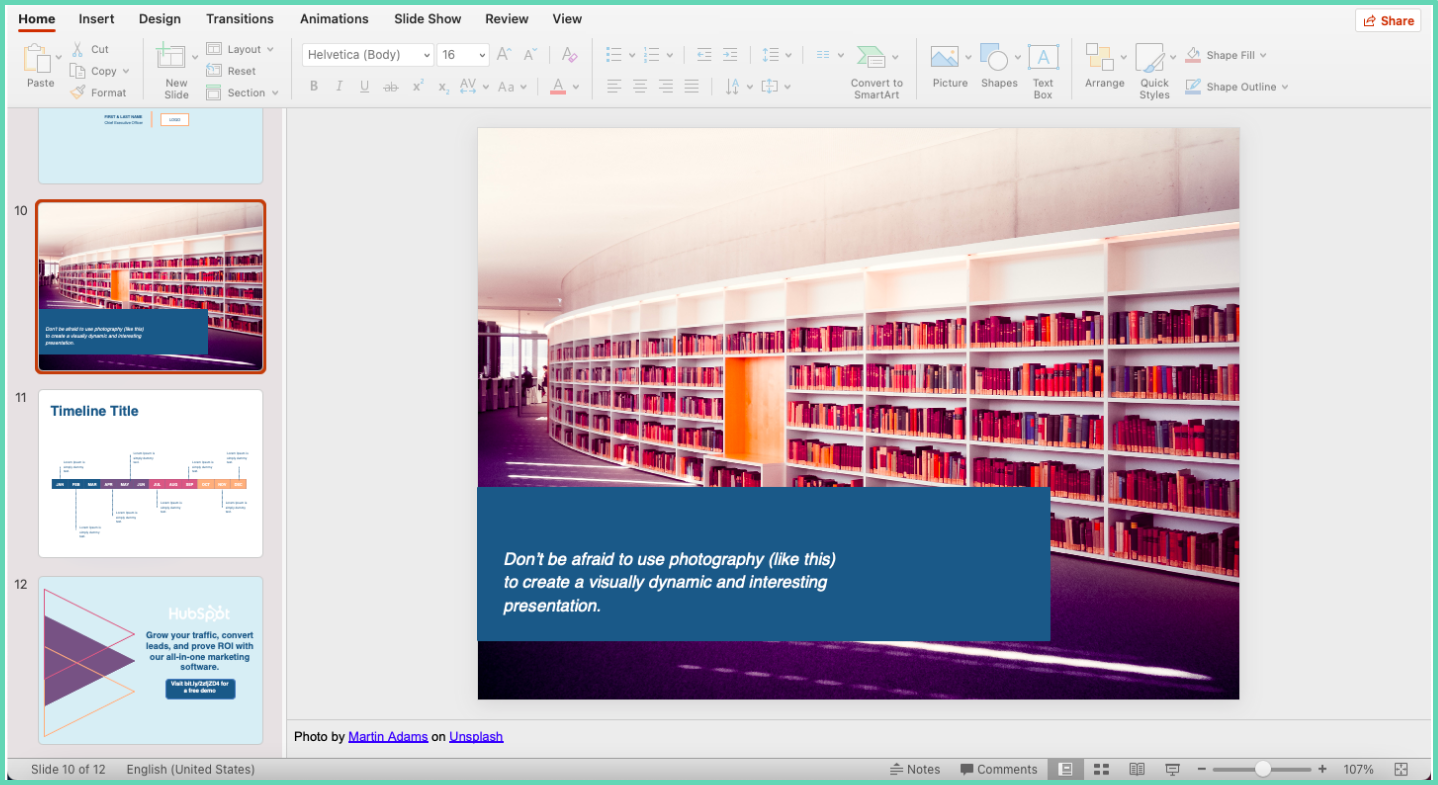
Images add weight to a presentation, but only if the quality is high. Low-resolution or grainy images drag the whole video down.
Visualise charts, graphs, and tables
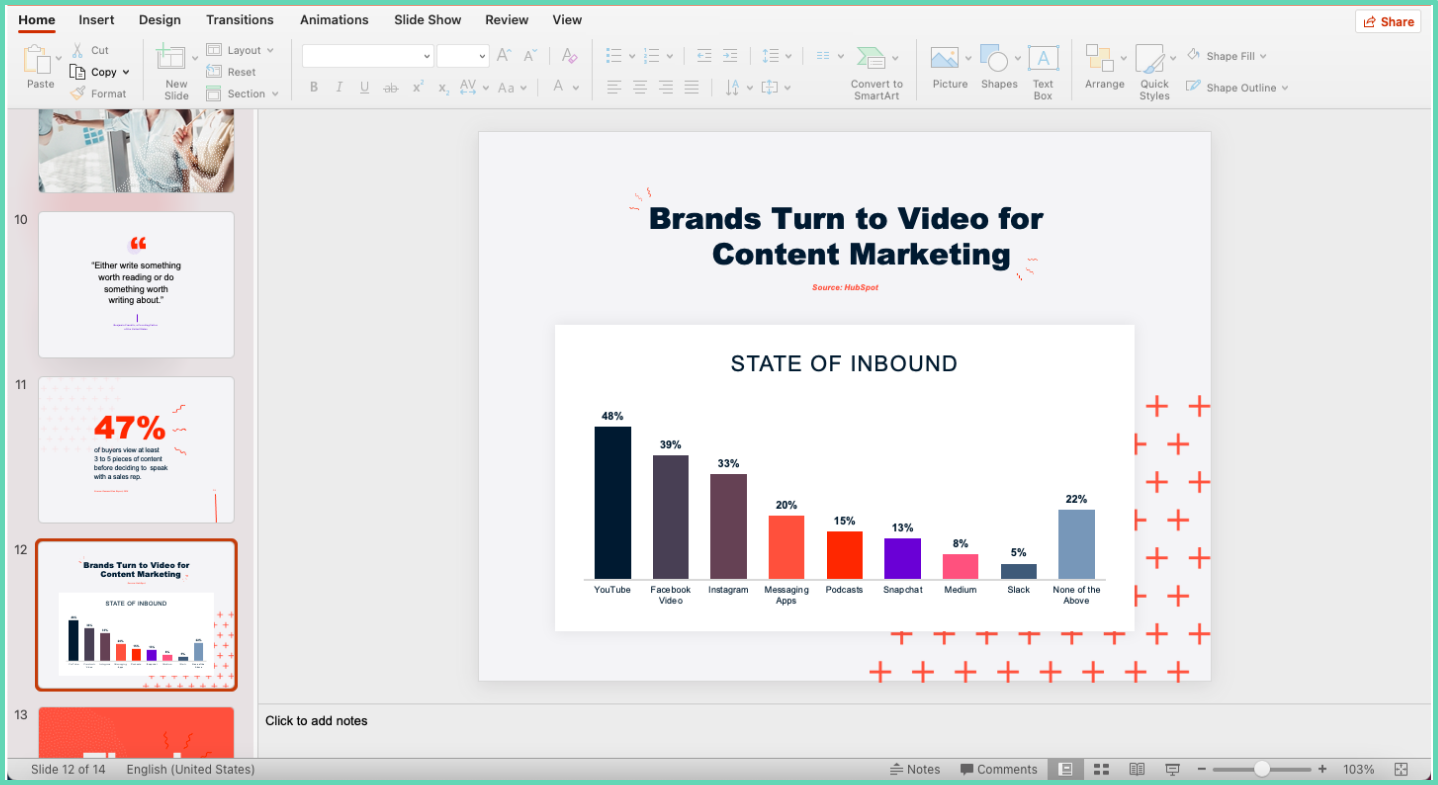
Charts, tables, and graphs help the viewer connect data to the narration. PowerPoint has built-in tools for all three, so use them.
Best presentation recorders
Here is a list of the five best PowerPoint recorders for video presentations made with screen recording.
- Vmaker
- Panopto
- TechSmith Camtasia
- iSpring
- Bandicam
If you want to build a video presentation from scratch using templates, animations, characters, voice-overs, and images, the Vmaker presentation video maker is the best fit.
That covers the full picture: types of video presentations, how to plan them, how to create them, and how to share them. Open Vmaker and start your first one.
If you enjoyed this guide, here are a few more reads:
The Ultimate Guide to Create an Instructional Video Without a Script
A Complete Guide to Product Videos: Definition, Types, and Tips
The Ultimate How-to Video Guide with Examples, Tips, and Ideas