3 Tips to Record High Quality Product Demo Videos for YouTube
Online buyers are highly conscious about what and how they buy. The decision process is complex: customers go deep to learn everything about a product before committing.
It is no longer just about price or product quality. It is also about how much effort the company puts in to make the buying decision easy. Around 7 out of 10 consumers say watching a product demo video leaves them with a positive impression of the brand.
In another consumer survey, an equal share of customers said they are more likely to buy a product after watching the product demo video. That makes product demo videos a substantial opportunity, and a competitive challenge worth investing in.
Where does YouTube come in?
YouTube is the most effective channel for extending the reach of product demo videos. With YouTube, you do not need customers to visit the website to find the video. Interested buyers discover the product where they already spend time.
That means demo videos on YouTube drive both visibility and conversions. Customers can watch, evaluate, and decide in the same session.
YouTube is a major discovery channel for buyers: a large share of consumers report finding new products and brands directly on YouTube.
Bonus guide: A Complete Guide on Product Videos: Definition, Types, and Tips
Best practices for product demo videos on YouTube
YouTube is a competitive platform. Product demo videos perform best when they are produced to a high standard. Follow these steps to get there:
1. Write a compelling script
A tight YouTube script is the single most important factor in keeping your audience watching to the end. Three tactics for instant engagement gains:
Tactic 1
Product demo videos can quickly get technical. Most viewers will not be familiar with your product terminology. Use technical terms moderately. Where possible, replace them with analogies, examples, or scenarios a 10-year-old could relate to. The audience needs to feel included, not left behind.
Tactic 2
Tell the audience what to expect in the first 30 seconds. Ideally within 15 seconds. Online attention spans are short, and the sooner viewers understand how the demo will help them, the more likely they are to stay.
In the video above, the viewer knows exactly what the video covers within the first 30 seconds. The whole video runs just under 4 minutes, which is well within the attention window.
Tactic 3
Use words that drive action. The right vocabulary turns passive viewers into engaged ones. Choose words that sound exciting, friendly, and relevant to your audience.
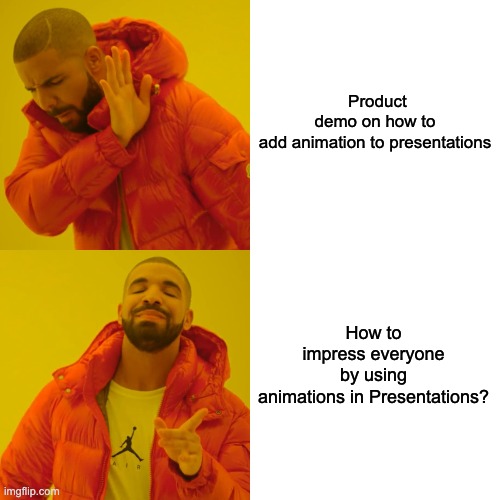
The single most important place to apply this principle is the title. The title is the first point of contact with potential viewers. If the title lands, they click. If it does not, they scroll past.
For example, the word "demo" can feel boring to some viewers. "How to" often works better as a framing device. A simple swap with a benefit-focused sentence structure can deliver significantly higher click-through.
Tip: For a deeper dive on YouTube scripts specifically, see our guide on how to write a YouTube video script.
2. Decide the mode of recording
Product demo videos can be produced in several ways. You can use animations, or go with an instructor-led format with a live presenter. There is no universally right answer. What matters is what works for your product and audience.
A few pointers to help you decide:
- Budget: A cinematic recording looks great but costs significantly more. Set the recording mode by what you can afford to spend.
- Resources: Do you have a team working on videos, or is it a one-person operation? The fewer hands you have, the simpler your recording setup should be. A screen recorder like Vmaker lets one person produce high-quality demos quickly without sacrificing quality.
- Experiment: You may not get the right format on the first try. Test different recording modes, measure audience response, and settle on the winning approach.
Bonus guide: How to Record YouTube Videos
3. Choose powerful video editing software
Recordings rarely look production-ready straight out of the camera. Any experienced video maker will tell you every video goes through editing before it is ready for YouTube. The YouTube video editor you choose has a direct impact on the final quality.
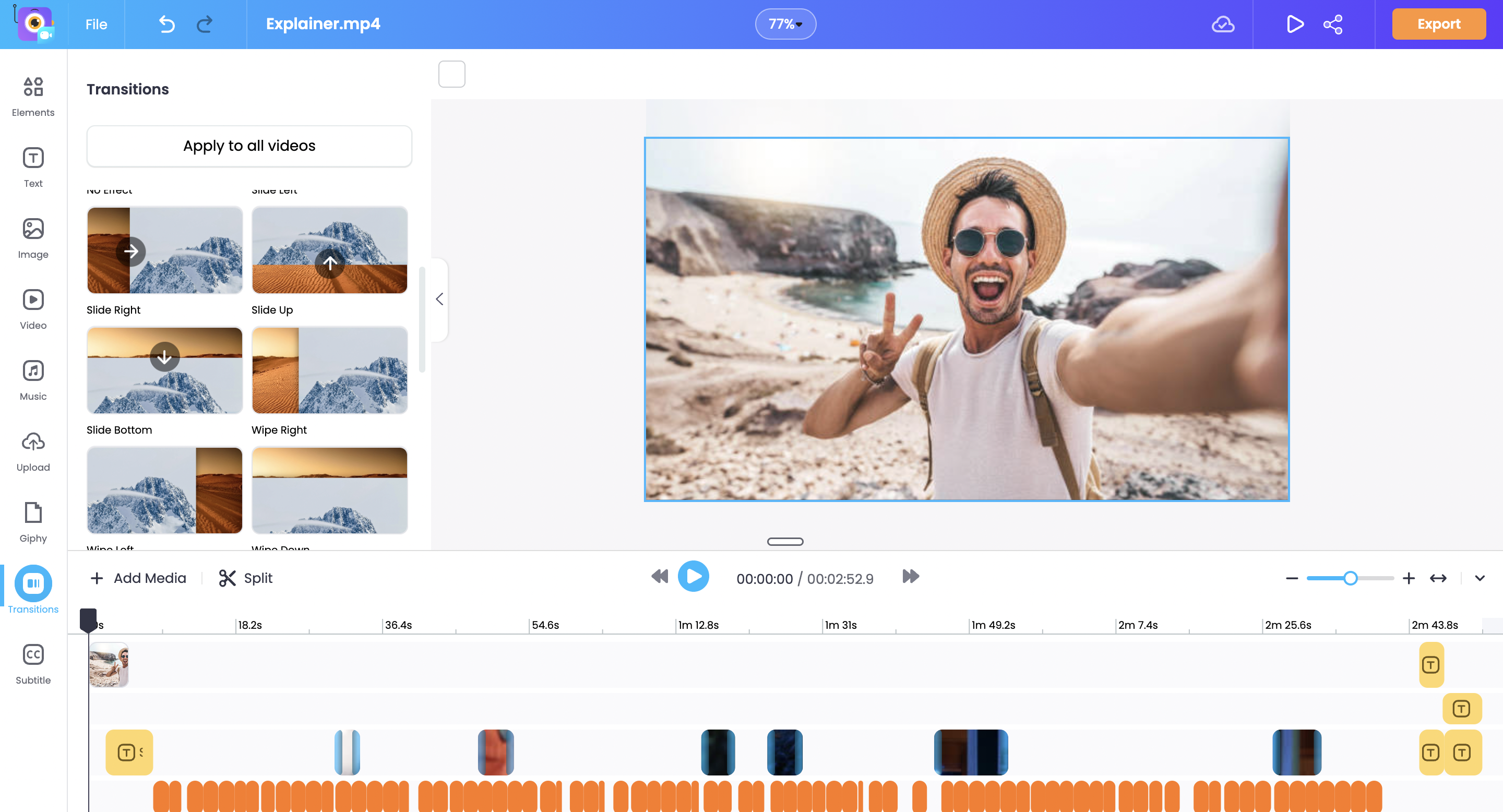
Strong editing software lets you adjust colour, refine pacing, add transitions and audio, and include or exclude elements that affect the viewer experience. The end result is a video that holds attention and drives the audience to act.
The added advantage of an integrated editor is that you do not have to export the recording and upload it to a separate editing tool.
The Vmaker AI video editor auto-edits your raw video footage and makes it publish-ready in one click. It automatically adds B-rolls, background music, transitions, effects, subtitles, intros, and outros. Beyond editing, Vmaker lets you convert long-form videos into shorts and generate highlights, all in one click. For multi-language audiences, auto-generated subtitles in 35+ languages and AI dubbing into 100+ languages let one demo video reach every regional market.
Run a complete check before committing. The editor should have every feature you need to produce impeccable product demo videos.
Get started
Those are the three most important tips for making product demo videos for YouTube.
You now have the foundational toolkit to start. If your first few videos do not land, keep iterating. YouTube is a competitive platform, and the creators who win are the ones who keep experimenting and refining.
Read more:
- Heat Up Your Cold Sales Emails with Personalised Videos
- How to Make a Great Product Demo Video
- How to Do Product Review Videos on YouTube